When it comes to electrical engineering, getting your measurements right is pretty much everything—it's the key to making sure everything runs smoothly and safely. One tool that’s absolutely essential in this game is the Current Transformer, or CT for short. Basically, these devices take really high currents and step them down to manageable levels, so measurements aren’t just more accurate, but also safer to work with. As more folks get serious about tracking and managing energy use, knowing which Current Transformers to choose has become more important than ever—whether you're a pro or just an enthusiast tinkering in your garage.
In this article, we’re diving into the top 10 Current Transformers out there. We’ll look at what makes each one stand out—like their accuracy, how easy they are to install, and how well they perform overall. From compact models perfect for home setups to heavy-duty ones built for industrial environments, there’s a wide range of options to suit different needs. By checking out these choices, you’ll be better equipped to pick the right CTs for your projects and step up your energy monitoring game.
In an industry where precision really matters, finding the right Current Transformer isn’t just a detail—it’s a necessity. Whether you're keeping tabs on electrical loads or making sure everything's safe, these devices are still at the heart of modern electrical systems. So, let’s explore the ten best Current Transformers you should know about to make sure your measurements are spot-on—and your systems run smoothly.
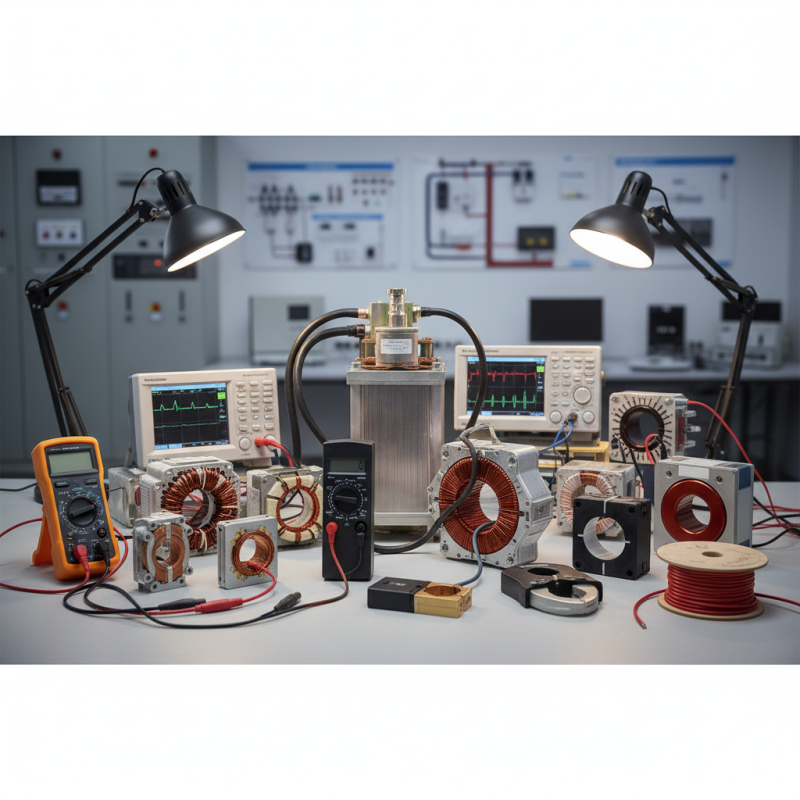
Understanding Current Transformers: A Comprehensive Overview
Current Transformers (CTs) are critical devices used in electrical engineering to obtain accurate measurements of alternating current (AC). These transformers operate on the principle of electromagnetic induction, allowing them to reduce high currents to a manageable level for measuring instruments. By generating a secondary current that is proportional to the primary current, they facilitate the precise monitoring and analysis of electrical systems, helping to protect equipment and maintain safety.
Understanding the various types of Current Transformers is essential for selecting the appropriate device for specific applications. There are split-core, bar-type, and conventional CTs, each offering distinct advantages depending on the measurement requirements and installation conditions. Split-core transformers are particularly favored for retrofitting into existing systems without disrupting operations, while bar-type transformers are commonly used for high-current measurements. Additionally, selecting the right CT involves considering factors such as accuracy class, burden rating, and frequency response, which are crucial for ensuring reliable and precise measurements in power monitoring and management systems.
10 Best Current Transformers You Need to Know for Accurate Measurements
| Transformer Model | Nominal Current (A) | Accuracy Class | Burden Rating (VA) | Voltage Class (kV) |
| Model A | 100 | 0.5 | 10 | 0.6 |
| Model B | 200 | 0.2 | 15 | 0.6 |
| Model C | 150 | 0.5 | 8 | 0.6 |
| Model D | 300 | 0.2 | 12 | 0.6 |
| Model E | 50 | 0.1 | 5 | 0.4 |
| Model F | 75 | 0.5 | 10 | 0.4 |
| Model G | 125 | 0.5 | 12 | 0.6 |
| Model H | 400 | 0.2 | 20 | 0.6 |
| Model I | 60 | 0.1 | 6 | 0.4 |
| Model J | 250 | 0.5 | 10 | 0.6 |
Types of Current Transformers and Their Applications in Electrical Systems
Current Transformers (CTs)are essential components in electrical systems, primarily used for measurement and protection. They function by producing a lower, manageable current proportional to the high current flowing through a conductor. This makes them invaluable in applications where accurate current readings are necessary, such as in power generation, transmission, and distribution. There are several types of Current Transformers, each designed for specific purposes and environments.
Among the common types are the wound, bar, and toroidalCurrent Transformers.Wound CTs consist of a primary winding and are used for high current applications, offering high accuracy and stability. Bar CTs, on the other hand, allow the primary conductor (a metal bar) to serve as part of the transformer. This design is suited for high current applications and is often used in switchgear systems. Toroidal Current Transformersare ring-shaped and are well-regarded for their compact size and ease of installation, making them ideal for retrofit projects and confined spaces. Each type of Current Transformer serves unique applications, ensuring safety and reliability in measuring electrical currents across various systems.
Key Specifications of Current Transformers for Enhanced Measurement Accuracy
When selecting a current transformer (CT) for precise measurements, understanding key specifications is crucial for ensuring enhanced accuracy in applications. The first critical specification to consider is the transformer’s ratio. The ratio determines how the primary current is reduced to a manageable level for measurement. A well-defined ratio ensures that measurements reflect the actual primary current accurately, minimizing the risk of errors during readings.
Another essential specification is the burden rating, which refers to the load or impedance connected to the secondary winding of the transformer. A properly matched burden is vital to maintain the desired accuracy; an overload can distort the primary current ratio and lead to incorrect measurements. Additionally, the accuracy class of the transformer, typically indicated in percentages, details how close the transformer can replicate the actual current measurement without significant deviation. Opting for a current transformer with a high accuracy class guarantees reliable data, particularly in critical measurement scenarios where precision is paramount.
Other important specifications include the frequency response and saturation characteristics, which also play significant roles in the overall performance and reliability of the current transformer in various applications.
Factors Affecting the Performance of Current Transformers in Field Use
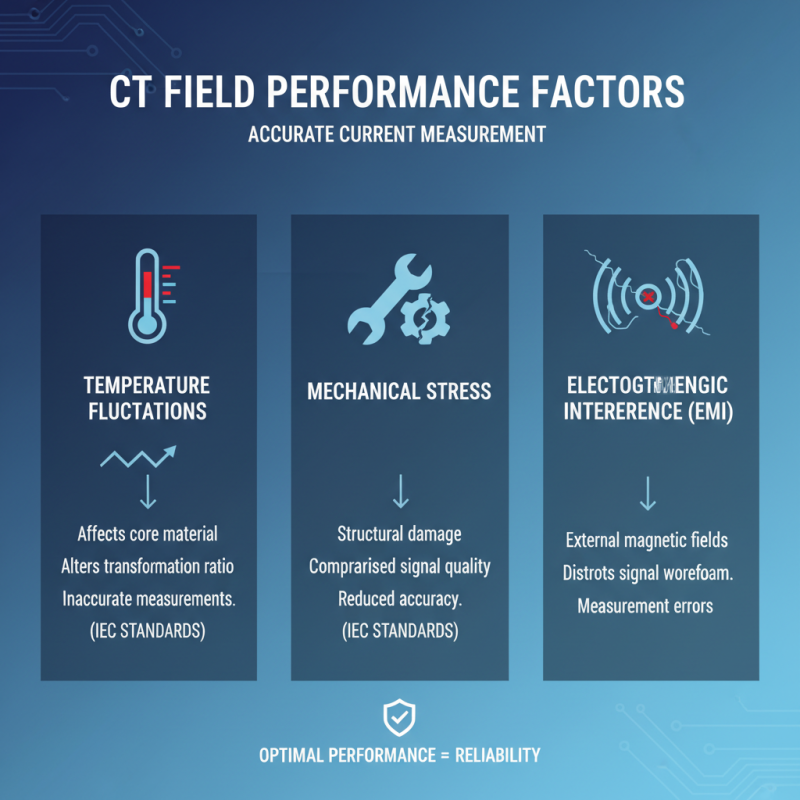
Current transformers (CTs) play a crucial role in accurately measuring electrical currents in various applications, but several factors can significantly influence their performance in field use. Key factors include temperature fluctuations, mechanical stress, and electromagnetic interference. According to the International Electrotechnical Commission (IEC) standards, temperature variations can affect the core material properties, thereby altering the transformation ratio and potentially leading to inaccurate measurements. Similarly, excessive mechanical stress can cause structural damage to the transformer, resulting in a compromised signal quality.
To mitigate these performance-affecting factors, it's essential to conduct regular maintenance and calibration. Environmental conditions should be monitored, as high humidity and extreme temperatures can degrade the performance of CT insulation systems. Industry reports suggest maintaining a stable operating environment can enhance the reliability of CTs by up to 30%.
**Tips:** Ensure that your current transformers are installed away from sources of electromagnetic interference and that the mounting is secure to prevent mechanical stress. Regularly schedule inspections and recalibrations to maintain measurement accuracy and extend the lifespan of your transformers.
Top 10 Current Transformers: Features, Benefits, and Comparisons
When selecting a current transformer for accurate measurements, understanding the features and benefits of each option is crucial. Current transformers (CTs) are vital components in electrical measurement and monitoring systems. They help convert high currents into a lower, measurable value, ensuring safety and efficiency. When comparing the top models, consider factors such as accuracy, burden rating, and the range of current they can handle. A higher accuracy rating is essential for applications requiring precise monitoring, while the burden rating reflects how much load the transformer can effectively support without affecting performance.
Additionally, the physical design and installation compatibility are significant considerations. Some current transformers are designed for ease of installation in tight spaces or existing electrical setups, enhancing their usability. Others may offer unique features like split-core designs, allowing for easy retrofitting without disrupting existing configurations. Understanding the operational environment is also important; whether the transformer will be used in a harsh industrial setting or a controlled indoor environment can influence the choice. Evaluating these features helps in selecting the best current transformer tailored to specific measurement needs while ensuring reliability and accuracy in performance.
Top 10 Current Transformers for Accurate Measurements
Industry Standards and Certifications Relevant to Current Transformers
Current transformers (CTs) play a critical role in ensuring accurate electrical measurements by stepping down high currents to manageable levels. To attain reliable performance and safety, these transformers must meet specific industry standards and certifications. Among the most crucial standards are those set by the Institute of Electrical and Electronics Engineers (IEEE) and the International Electrotechnical Commission (IEC). These organizations provide guidelines that relate to the design, testing, and operational safety of current transformers, ensuring they function correctly within defined parameters.
The certification process for current transformers typically involves rigorous testing to evaluate their performance characteristics, such as accuracy, thermal stability, and durability. Compliance with standards like IEC 61869 and IEEE C57.13 signifies that a current transformer has been tested for a range of operating conditions and impacts. Furthermore, adherence to these industry standards assures users of a dependable, repeatable measurement process that supports the integrity of electrical systems. Understanding these certifications is essential for professionals in the field, ensuring that the current transformers used in their applications meet the necessary safety and performance requirements.
Future Trends in Current Transformer Technology and Innovations
As current transformer technology continues to evolve, several trends are shaping the future landscape of accurate measurements. Innovations in materials and design are enhancing the performance and reliability of current transformers. For instance, the integration of advanced composite materials allows for lighter yet more robust devices, improving their sensitivity and response times. Furthermore, the shift towards smart transformers equipped with IoT capabilities is enabling real-time monitoring and data analysis, paving the way for more precise energy management.
Tips: When selecting a current transformer, consider looking for models that offer digital output or connectivity features. This will ensure that you can easily integrate the devices into advanced monitoring systems, allowing for better data collection and analysis.
In addition to hardware advancements, there’s a growing emphasis on the software that drives current transformers. Cloud computing and machine learning algorithms are being adopted to process the vast amounts of data collected by these devices. This not only helps in predictive maintenance but also enhances the accuracy of measurements over time. With these innovations, users can expect more efficient energy usage, reduced downtime, and ultimately, cost savings.
Tips: Stay updated on software developments related to current transformers. Upgrading to systems that utilize AI can improve the accuracy and efficiency of your current measurement processes.
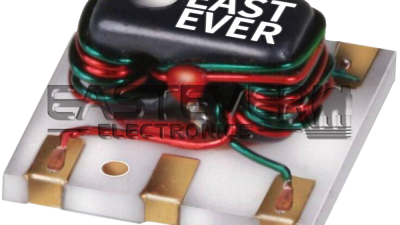
Exploring the High-Frequency Domain: Insights from Industry Reports on the 50Ω RF Transformer EBA4-1W-G012081 for 3-800MHz Applications
The exploration of high-frequency applications in modern communications systems has brought significant attention to components such as RF transformers. Among these, the EBA4-1W-G012081 model stands out for its versatility and robust performance across a frequency range of 3-800MHz. This range is particularly useful in various communications settings, including wireless microphones, broadband connections, and marine communications systems.
One of the key features of the EBA4-1W-G012081 transformer is its wide operating temperature range from -40°C to +85°C, making it suitable for both indoor and outdoor applications. It is also designed to withstand storage temperatures as low as -55°C and as high as +100°C, ensuring reliability in different environmental conditions. With a maximum input power of 250mW and a DC current limit of 30mA, this transformer effectively meets the demands of high-performance devices such as walkie-talkies and car streaming media systems.
Moreover, the EBA4-1W-G012081 is compatible with 260°C reflow processes, which is crucial for manufacturers looking to incorporate it into advanced assembly lines. Its compliance with RoHS standards further emphasizes its suitability for contemporary electronic applications, ensuring that it is both environmentally friendly and safe for use in consumer products. As industries evolve towards higher frequencies and advanced communication protocols, the importance of such high-quality components cannot be overstated.
FAQS
: Current transformers are essential components in electrical systems, primarily used for measurement and protection by producing a lower, manageable current proportional to the high current flowing through a conductor.
The common types of current transformers include wound, bar, and toroidal CTs, each designed for specific applications and environments.
Wound current transformers consist of a primary winding and are used for high current applications, offering high accuracy and stability.
Bar current transformers allow the primary conductor, often a metal bar, to serve as part of the transformer, making them suitable for high current applications commonly found in switchgear systems.
Toroidal current transformers are ring-shaped and valued for their compact size and ease of installation, making them ideal for retrofit projects and confined spaces.
Key factors affecting CT performance include temperature fluctuations, mechanical stress, and electromagnetic interference.
Temperature variations can alter the core material properties of current transformers, affecting the transformation ratio and potentially leading to inaccurate measurements.
Regular maintenance and calibration, including monitoring environmental conditions and securing installations, can enhance reliability and measurement accuracy.
Excessive mechanical stress can cause structural damage to current transformers, resulting in a compromised signal quality.
Maintaining a stable operating environment can enhance the reliability of current transformers by up to 30%.
Conclusion
The article "10 Best Current Transformers You Need to Know for Accurate Measurements" provides an in-depth exploration of current transformers (CTs), emphasizing their critical role in measuring electrical currents with precision. It begins with a comprehensive overview of CTs, detailing their various types and applications within electrical systems. The piece highlights key specifications necessary for enhancing measurement accuracy, as well as the factors that can influence their performance in real-world usage.
Additionally, the article showcases a curated list of the top 10 current transformers, discussing their features, benefits, and a comparative analysis. It also addresses industry standards and certifications pertinent to CTs, ensuring users can select devices that meet requisite safety and performance benchmarks. Lastly, the article looks ahead to future trends and innovations in current transformer technology, underscoring the importance of keeping pace with advancements to optimize measurement outcomes.

 +86-15916242887
 CONTACT US