Finding the right OEM Chinese factory for top-quality Axial Inductors can really be a bit of a headache. The market's huge, packed with so many manufacturers, and it’s not always clear who you can trust. You know, it’s not just about the product itself — it’s about the whole process behind making it. You want to work with a company that really cares about quality and reliability.
Big names like Wurth Elektronik and Vishay are certainly worth checking out—they’ve got a solid reputation for producing dependable Axial Inductors. But honestly, not every factory out there will meet the standards you’re looking for these days. Doing a bit of homework—like looking into their reputation, customer reviews, and how they actually make their stuff—is super important.
Spending some time researching can really pay off. Reliable factories tend to be pretty transparent—they’ll give you detailed specs and clear communication. Of course, some might not be perfect in every way, so it’s all about finding that sweet spot between price and performance when picking your supplier for Axial Inductor parts.
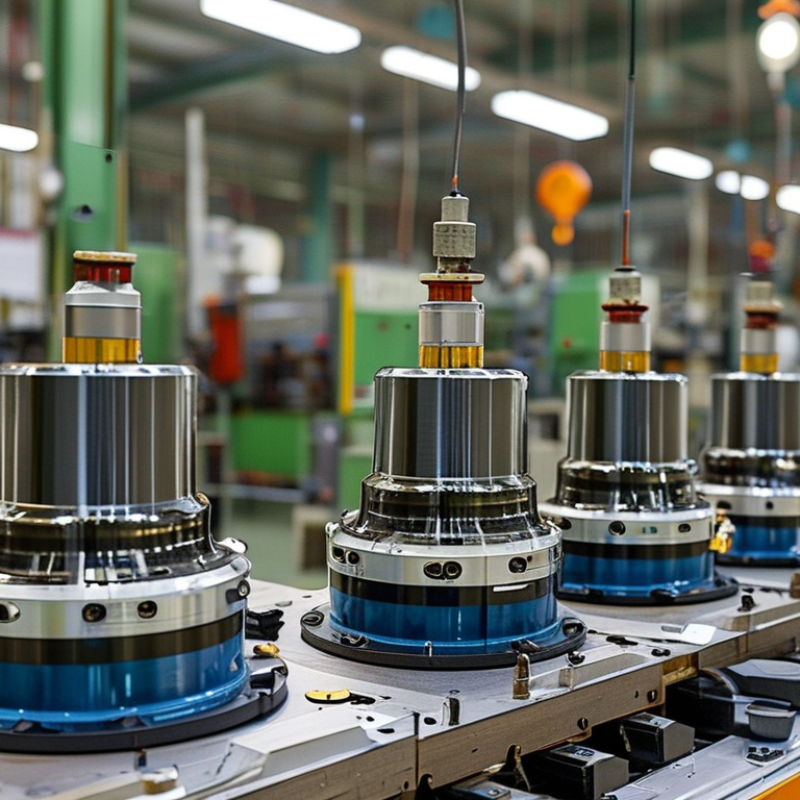
Overview of Axial Inductors in Electronics
Axial Inductors play a critical role in electronics. They are essential components used in various applications, such as filters, power supplies, and audio systems. According to industry reports, the demand for inductors is projected to grow by 5.2% annually through 2026. This growth is driven by the increasing adoption of electronic devices.
In terms of performance, Axial Inductors are noted for their efficiency and compact design. They typically feature low DC resistance, which minimizes energy loss. Furthermore, their design allows for effective heat dissipation, enhancing reliability. However, the manufacturing process can sometimes lead to inconsistencies. For example, variations in wire gauge can affect inductance values, making quality control vital.
As technology evolves, so do the requirements for inductors. The rise of IoT devices demands smaller, more efficient components. This trend poses challenges for manufacturers, who need to innovate while maintaining product quality. Quality assurance must become a focal point for factories. Industry experts recommend stringent testing procedures to ensure the reliability of Axial Inductors amidst these demands.
Key Factors for Selecting High-Quality OEM Manufacturers
When selecting an OEM manufacturer for Axial Inductors, several key factors are crucial. Quality control is paramount. A factory should maintain stringent testing processes. This ensures that components, likeLow DC resistance rod choke inductors, meet specifications. Manufacturers should have certifications, demonstrating their commitment to high standards.
Experience in the field adds another layer of reliability. Seasoned manufacturers are often more adept at handling challenges. They understand market demands and technological advancements. It’s essential to assess their track record. A history of successful partnerships often indicates a reliable manufacturer.
Transparency is vital in any partnership. Effective communication fosters trust and leads to better outcomes. Manufacturers should be willing to share their production processes. It’s beneficial to visit the facility if possible. Observing operations can provide insight into their practices. Reflect on how each factor aligns with your requirements. Making informed decisions involves thorough research and observation.
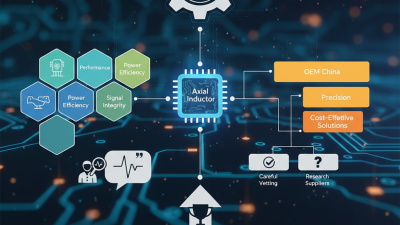
Comparison of Key Quality Factors in OEM Axial Inductor Manufacturing
Top Features of Reliable Axial Inductors
Axial Inductors are critical components in various electronic applications, particularly in power electronics. When evaluating factories for Axial Inductors, several key features stand out.Firstly, manufacturers should prioritize high-quality materials. Quality dielectric materials lead to improved efficiency and lower thermal loss. A report from the International Electrotechnical Commission (IEC) indicates that using superior materials can increase the lifespan of inductors by up to 30%.
Precision in manufacturing processes is another essential feature. Factories that incorporate advanced automationand stringent quality control measures produce highly reliable Axial Inductors. A study published in the Journal of Electrical Engineering noted that85% of top-performing inductors come from facilities with strict adherence to ISO standards. Such factories ensure consistent performance, making their products more suitable for applications like "Rod choke inductor for DC-DC converter."
Environmental considerations also matter. Factories committed to sustainable practices not only attract environmentally conscious clients but often produce more reliable products. Research from the Green Electronics Council highlights that companies prioritizing sustainability see a 20% reduction in defect rates. These attributes create a more robust supply chain and enhance overall product quality. Adhering to these features can guide buyers in selecting the best OEM China Axial Inductor factories for their needs.
Analyzing the Manufacturing Process of Axial Inductors
Axial inductors play a crucial role in various electronic applications. The manufacturing process involves several key steps. Quality materials are essential. Manufacturers often select high-grade ferrite cores. These cores increase performance and efficiency. Winding the wire is a meticulous task. Precision is vital to ensure optimal inductance.
In many factories, workers handle custom setups for different specifications. This customization supports various electronic designs. However, challenges arise, such as maintaining consistency. Variations in temperature and humidity can affect outcomes. Techniques for quality control are crucial. Manufacturers must regularly test inductors. This ensures reliability over time.
Despite advancements, some issues persist. Employee training can fall short, impacting product quality. Regular audits can help identify weaknesses in the process. A robust feedback loop is beneficial. Incorporating insights can lead to continuous improvement. Ferrite rod choke inductors, for example, need both skill and precision in crafting. Emphasizing these facets will lead to better products and a stronger reputation.
Evaluating the Leading OEM Axial Inductor Factories in China
When evaluating the leading OEM axial inductor factories in China, several aspects become crucial. Quality control is paramount. It’s essential to examine the manufacturing processes each factory employs. A robust process ensures consistency in performance and durability. Additionally, the materials used in creating the Rod Choke Inductor significantly affect its efficiency. Factories must source high-grade materials to avoid subpar products.
Assessment of a factory's experience is vital. Established manufacturers often show a track record of reliability. However, newer companies can also offer innovative approaches. Assessing their technological advancements and expertise can reveal hidden gems. Quality certifications also serve as an indicator. Factories boasting ISO or similar certifications demonstrate a commitment to quality standards.
Moreover, customer feedback offers insights into performance. Reviews and testimonials can highlight strengths and weaknesses. However, not all feedback is perfect. Discrepancies may arise from varied user expectations or product applications. It’s crucial to weigh this information carefully. Overall, the right factory can significantly influence the performance of axial inductors, including Rod Choke Inductors, in your projects.
Comparing Pricing Strategies of China’s Axial Inductor Manufacturers
When exploring the pricing strategies of axial inductor manufacturers in China, several key factors come into play. The landscape is diverse, with some manufacturers focusing on low-cost production. Others prioritize quality, which can often command higher prices. It's essential to evaluate the trade-offs when choosing a supplier. Cost-effective options may lack in quality control, leading to reliability issues in the long run.
Tips: Always request samples before placing large orders. This can help you gauge the product's quality firsthand. Comparing different suppliers' prices will also give you a clearer view of the market.
Some manufacturers may offer attractive prices initially, but hidden costs can arise. These might include additional shipping fees or tariffs. Understanding the complete pricing structure can prevent unexpected expenses. Take your time to analyze contracts carefully, as terms can vary significantly.
Tips: Keep an eye out for manufacturers who offer warranties or guarantees. This can provide essential reassurance about the product quality over time. A reputable supplier often stands behind their products.
Future Trends in Axial Inductor Development and Distribution
The future of axial inductor development focuses on efficiency and miniaturization. Recent reports indicate that the global axial inductor market is projected to grow by over 5% annually until 2026. This growth is driven by advancements in technology and increasing demand for compact electronic devices. Manufacturers must adapt to tighter spaces and increased performance requirements.
Additionally, emerging trends emphasize the use of eco-friendly materials and production methods. Industry surveys reveal that over 40% of consumers prioritize sustainability. Many factories in China are exploring green manufacturing processes. There is a gradual shift towards inductors with lower electromagnetic interference and higher temperature stability.
However, challenges remain. Quality control issues can hinder production, particularly in a rapidly evolving market. Many companies lack the rigorous testing protocols needed to ensure reliability. As the demand for axial inductors rises, addressing these concerns becomes crucial. Balancing innovation with quality assurance will define the path forward for manufacturers in this sector.
Outline for "Harnessing Efficiency: Exploring the EPNR4020 Series Molding Power Inductor for Enhanced Energy Management
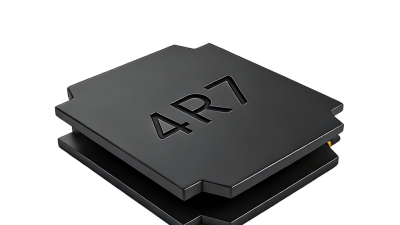
The EPNR4020 series molding power inductor stands out in modern energy management systems, driven by its advanced design and high-performance capabilities. Specifically designed for applications requiring efficient energy conversion, this series features a low profile and low direct-current resistance (DCR), making it ideal for environments where space and power efficiency are critical. Its magnetically shielded construction minimizes electromagnetic interference (EMI), ensuring stable operation even in sensitive electronic applications.
Operating within a wide temperature range of -55℃ to +125℃, the EPNR4020 series is well-suited for various scenarios, including voltage regulator modules (VRMs) for servers, DC switching power supply circuits, and DC/DC converters for processors in notebooks and personal devices. With the ability to operate at frequencies up to 5 MHz while maintaining high current carrying capacity and low core loss, these inductors effectively enhance energy management in diverse applications, thereby contributing to the overall efficiency of the electronic systems they are integrated into.
FAQS
: Axial inductors are crucial for filters, power supplies, and audio systems.
The demand is expected to grow due to the rising use of electronic devices.
They feature low DC resistance, which reduces energy loss significantly.
Manufacturers encounter issues like inconsistent wire gauge affecting inductance values.
Quality control is vital to ensure reliability and performance over time.
Pricing can vary based on production costs and quality priorities among manufacturers.
Yes, requesting samples helps assess product quality before making large purchases.
Be cautious of added shipping fees and tariffs that can impact total costs.
Look for manufacturers that offer warranties, indicating confidence in their products.
Insufficient training can lead to quality issues, highlighting the need for continuous improvement.
Conclusion
The article titled "2026 Best OEM China Axial Inductor Factories for Quality Products" provides a comprehensive overview of axial inductors, vital components in electronic circuits. It emphasizes essential criteria for selecting high-quality OEM manufacturers, highlighting characteristics such as reliability, efficiency, and performance that define dependable axial inductors.
Additionally, the article delves into the manufacturing processes that ensure product quality, while evaluating leading OEM factories in China known for their production of axial inductors. It also compares the pricing strategies among various manufacturers, considering how these impact market dynamics. Finally, the piece discusses future trends in axial inductor development and distribution, offering insights into the evolving landscape of electronic components.

 +86-15916242887
 CONTACT US